
NEWS
Quick Tips from Dino
By: Dino Monoxelos
Rocket Bass® combo amps:
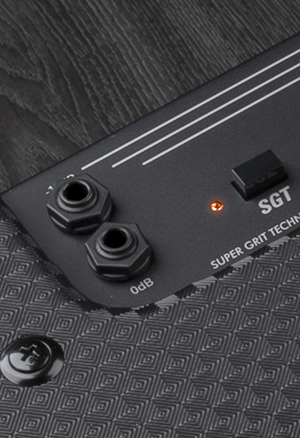
Choosing Between the 0 dB and -15 dB Inputs
- 0 dB input: Works for most basses, whether they have active or passive electronics. For most players, this is the one to use.
- -15 dB input: Best for higher-output basses or basses with 9V or 18V active systems. It helps prevent unwanted distortion.
- Where to start: Plug into the 0 dB input first. If you can’t get a clean tone even with the SGT circuit turned off, switch to the -15 dB input.
- Using both inputs at once: It’s not common, but you can plug two basses in at the same time. This is handy for bass educators playing alongside a student.
- Both basses share the amp’s volume and EQ, so you’ll need to balance levels using each bass’s own volume control.
- It saves you from needing a second amp in the room.
SGT-DI®:
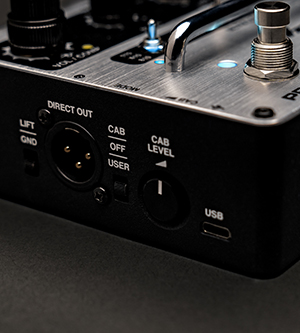
Cab Level Control
- Location: Right next to the selector switch on the side of the unit.
- What it does: Sets how much cab signal goes into your signal chain.
- Heads up: It takes a little getting used to, since it also affects the pedal’s overall gain, along with the gain control and the SGT level control.
- For tips on dialing all three in together, check out [this video].
- Saved per cab: Your level setting is saved automatically for each cab or user IR. When you switch cabs, the level returns to whatever you last set for that cab.
Cab Sim Outputs
- Includes cab sims: XLR and line out/phones outputs.
- No cab sims: Preamp out and thru outputs.
Venture® amps:
- Heritage: Builds on the five-position midrange selector found on nearly every Ampeg head in the Pro, Classic, and Portaflex® series. Ampeg’s midrange control goes all the way back to the original 1969 SVT® and its three-position rocker switch.
- Why the mids matter:
- Bass gives you warmth and boom.
- Treble gives you high-end crispness.
- Midrange is what lets you cut through the mix, so choosing the right mid frequency is key to dialing in your tone.
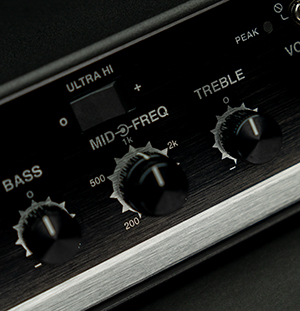
- Range: Sweeps from 200 Hz up to 3 kHz.
- Dual concentric design: Two knobs stacked on one shaft, which saves space on the front panel.
- Outer knob: Selects the frequency and sweeps through the range.
- Inner knob: Boosts or cuts the selected frequency.
Try It Yourself
- Start flat. Set bass and treble flat, turn off ULTRA HI and ULTRA LO, and turn off SGT and the compressor.
- Hear the boost. Turn the inner knob all the way up to +14 dB. While playing, sweep the outer knob from 200 Hz up to 3 kHz and back down.
- Hear the cut. Turn the inner knob all the way down to -14 dB and sweep the frequencies again.
- Compare. Notice how dramatically boosting or cutting changes your sound, depending on which frequency you’ve selected.
Tip: If the inner knob is at center (0 dB), sweeping the outer knob won’t change anything, because you aren’t boosting or cutting the selected frequency.
To check out more demo clips on how this works visit here.

Dino has spent over 25 years in the Ampeg world conducting seminars and clinics all over the globe. He’s also the author of four instructional bass books by Mel Bay and his own publishing company, MonoTunes Music. His favorite bass to play is his MTD 534-24.


Leave a Reply
You must be logged in to post a comment.